Table Of Content
- Enforcement Action Against Wing Walking Business Goes Over The Top
- Upgraded Cockpit 5 Special Features of the HondaJet Cabin
- Wingspan
- Lycoming Says Aromatics In Fuel, Leaning Techniques May Have Caused Valve…
- Boeing 707 First Successful Commercial Passenger Jetliner
- Featured Video: Airthre’s Cabin Oxygen Generator

Saddling up six adults and tossing some weight in the rear cargo area could do it, but just barely. Slinging an optional cargo pod beneath the belly opens the possibility of loading 330 pounds of skis or golf clubs while keeping the CG intact. Pushing the limits of what’s possible, the Turbo Stationair® HD aircraft doesn't make you choose between utility and comfort—it expands your horizons to take your adventure almost anywhere. In short, the T206 is everything that lesser Cessna singles aspire to — especially in the full-fuel payload department. For example, where typically equipped Skyhawks might post full-fuel-payloads around the 550-pound mark, the T206 can tote almost 800 pounds. One STC likely to be popular is the installation of auxiliary fuel tanks to supply that thirsty Lycoming and raise the airplane's useful load.
Enforcement Action Against Wing Walking Business Goes Over The Top
The 206 can feel like two different airplanes when it is light with a forward CG versus at gross weight and a mid- to aft-CG loading. We strongly recommend that any checkout in a 206 include time with the airplane loaded light and forward and heavy and aft. Part of that should be what it takes to get to the runway when heavy, with full flaps and slow. In 1964, Cessna responded to demand for more utility and created the U206 (U for “utility”) Super Skywagon, with a 285-HP Continental IO-520A, redesigned wing and bigger flaps. There was one door for the pilot and a big double door aft on the right side. Plane and Pilot builds on more than 50 years of serving pilots and owners of aircraft with the goal of empowering our readers to improve their knowledge and enthusiasm for aviation.

Upgraded Cockpit 5 Special Features of the HondaJet Cabin
Sensitron has over 50 years of heritage as a leading manufacturer of high reliability power electronic component solutions for the Defense, Aerospace, Space,Medical and other high reliability markets. We have a long history in development and design of custom bearings that meet demanding application requirements. AARAN 1 Engineering PVT Ltd started business in 2017 following a number of successful business start ups from it’s management team with in the Aerospace sector. Feed Thru Filters offer high performance and unmatched reliability for critical EMI filter applications. A recent survey of 206 and 210 variants listed for sale on six of the most popular online classified sites at the time of this writing provides some interesting takeaways.
Wingspan
With 88 gallons usable on board and an average fuel burn of 25 gallons for the first hour and 20 for each hour thereafter, you'll have dry tanks in a little more than four hours at 75-percent power. Flint Aero of El Cajon, California, has applied for an STC that will add 30 gallons of fuel to the H model Stationairs as well as add 200 pounds to the maximum takeoff weight. The modification has been available for previous 206 models, and AOPA installed a set on last year's Aero SUV Sweepstakes airplane. In cruise, 206 owners report cruise speeds of around140 to 150 mph while burning around 13 to 14 gallons per hour. The 210s vary based on the wing and presence of main landing gear doors, which can be removed to simplify maintenance, but a strutted 210 will cruise in the neighborhood of 180 mph, with turbocharged versions capable of more. Choosing the optional oxygen system provides enough capacity for six people to breathe as the T206 climbs to its 26,000-foot service ceiling.
Lycoming Says Aromatics In Fuel, Leaning Techniques May Have Caused Valve…
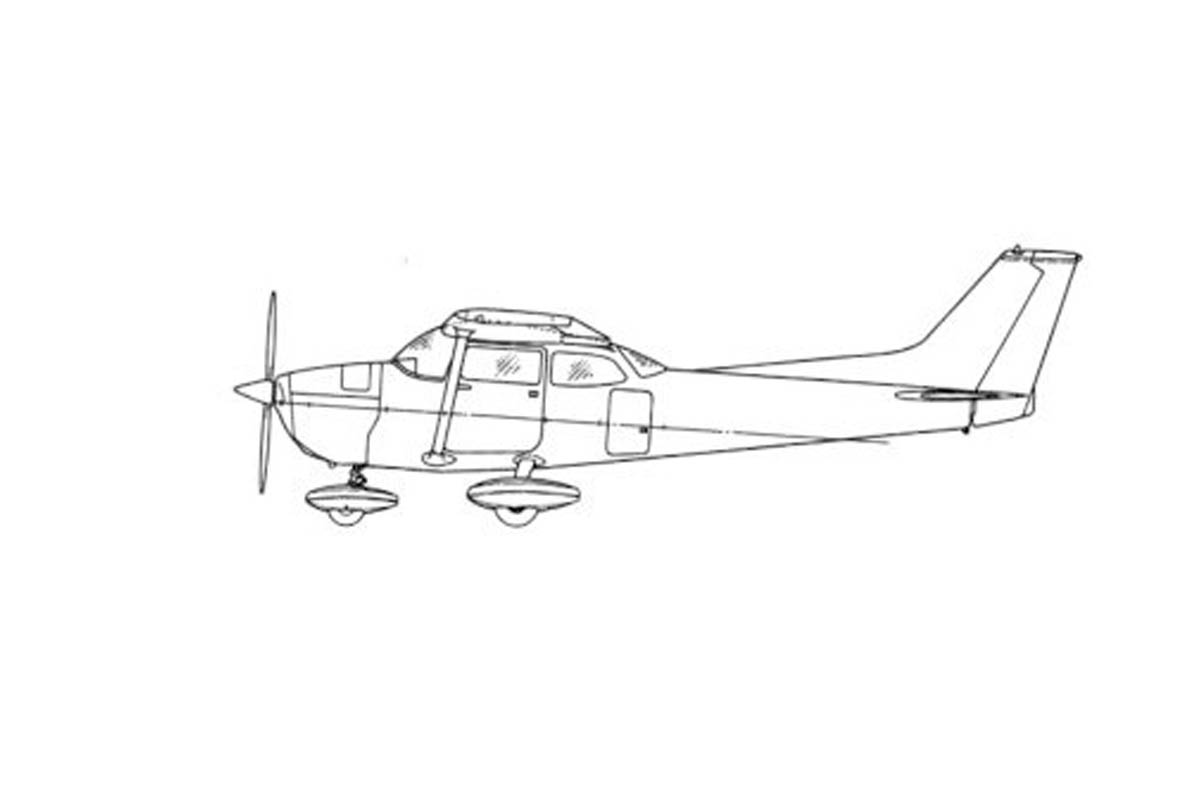
The ability of Cessna 206 Stationair to “take it” when it comes to a combination of load carrying and backcountry operations was reflected in many of the accident reports we reviewed. They are commonly used for Part 135 operations where there is significant pressure on pilots to fly over gross and to go no matter what, especially in Alaska. We noted one Alaska accident where a 135 pilot made a takeoff on a runway covered with three to six inches of slush. He got into the air but stalled trying to turn away from rising terrain. The high percentage of accidents in 206s that occurred in Alaska was due at least partially, in our opinion, to the “gotta go” factor.
Boeing 707 First Successful Commercial Passenger Jetliner
The MPV-I is powered by a ruggedized 230 HP diesel engine, paired with a 6x6 transmission. Please note that the availability and pricing of Cessna 206 aircraft may vary depending on age, condition, equipment, and market demand. It's recommended to research multiple sources, consult with experts, and perform due diligence before finalizing a purchase. Owning a Cessna 206 can give you the freedom and flexibility to enjoy personal travel, business trips, or specialized operations. By carefully considering these factors and seeking expert advice, you can make an informed decision and have a successful ownership experience.
Otherwise, you can opt for the lighter four-seat Cessna 182 or the retractable Cessna Centurion. All come with trade-offs, the Piper with the wing spar across the cabin making cargo loading difficult or the seat limitation on the 182. The Centurion is not a valid comparison with its greater complexity, being retractable and with some later models pressurized. Flint Aero Inc, near San Diego, supplies tip tanks that allow an extra 15 gallons of fuel per side, giving an extra 2-hours range. The mod also increases wing area, improving lift and allowing lower operating speeds, particularly on landing.
Featured Video: Airthre’s Cabin Oxygen Generator
Your Ideal Aircraft Might Be the One That's Easy To Fly - FLYING
Your Ideal Aircraft Might Be the One That's Easy To Fly.
Posted: Mon, 27 Feb 2023 08:00:00 GMT [source]
Both also offered similar dimensions and load-carrying capabilities, and both utilized six-cylinder Continental engines, with a “T” prefix indicating the presence of a turbocharger on models like the T206 and T210. The two types differed primarily in their landing gear, wings, and doors. The “U” indicated “Utility” and was equipped with a pilot side door and two opposing rear doors permitting easier access to the back two rows of seats, and enabling easy loading of cargo. The passenger seats were removable to increase the cargo-carrying space. The aircraft was initially used to transport human remains for area mortuaries, emergency medical flights, and skydivers.
Gulfstream G700 vs Bombardier Global 7500: From Range to Style
During your training, the mantra is to release the control yoke to prevent pulling the aircraft into a steep climb and a subsequent stall close to the ground. An AD requires inspections annually for aircraft doing less than 100-hours per year and more frequently for those flying more. The model has been through several iterations over the past four decades, beginning with the U206 in 1964. A turbocharged version called the TU206 followed rapidly, powered by the Continental TSIO-520-C, also producing 285hp. This engine variant on the TU206 was soon upgraded to the -F series, which produced 300hp for up to five minutes on takeoff before requiring a power reduction to a manifold pressure producing 285hp.
When I spent a day with a Cessna Turbo 206 in Wichita, Kansas, recently, I knew only of the six-place airplane’s reputation for hauling cargo and people. With a useful load of up to 1,623 lb (736 kg), the Turbo Stationair® HD piston offers powerful flexibility. As an instrument platform, the airplane is exceptionally stable in every weather condition that I’ve encountered—no sick passengers, yet. It took some effort to become proficient with the G1000, but it was worth every minute. Landings are predictable and smooth, even in the high crosswind conditions that Denver enjoys every once in a while. We’ve seen problems with the tail, mostly corrosion caused by the foam-filled elevator and trim tab getting soaked with water and pulling off rivets, screws and nuts.
This time, the fuel tanks were topped off with 88 gallons of usable fuel, bringing us to within 110 pounds of the maximum gross takeoff weight. Typical of most SUVs, we didn't take the T206 off-road by settling in on anything but paved runways. Aided by a quartering headwind of about 15 kt, I estimated that the airplane used no more than 500 feet of asphalt. If you’re looking to buy a large single-engined fixed-gear aircraft, you don’t have too many options.
The modern turbocharged 206 could now climb all the way to 27,000′ and turn in an honest 170+ knots. No piston single in product can match the Stationair’s combination of speed, altitude and load lifting talent. Turbocharging works by "fooling" the engine into thinking it's flying in denser, low-altitude air. The turbine compresses the intake air, which boosts manifold pressures to compensate for any increases in density altitude caused by hot-and-high operations. In the case of the T206, maximum allowable manifold pressure is 39 inches of mercury — and the airplane can keep on producing that high level of manifold pressure — and its full 310 horsepower — at altitudes up to 17,000 feet. The Cessna 206, also known as the Cessna Stationair, is a popular single-engine general aviation aircraft produced by Cessna Aircraft Company.
Both aircraft have earned their places in aviation history, catering to the diverse needs of pilots and operators in the general aviation community. Taxiing the T206 through the rudder pedals delivers the feel of a much larger airplane. The airplane likes 10 degrees of flaps for takeoff, but depending on the runway length, 20 degrees is also a possibility. At sea level and maximum takeoff weight, 20 degrees of flaps yields a ground run of just 1,000 feet, even with an OAT hovering in the mid-80s. I caught up with N254CS on the Cessna ramp at Wichita and began the walk-around with my demo pilot, Chelsea Carlin.
Specialty kits were made available so the Stationair could take on such jobs as glider towing, parachute jumping and even aerial hearse service. When using a cargo pod, make sure you follow any limitations on flap deflection that are on the STC for the installation. Like the rest of its piston singles, 2005's production run of T206s was sold out early last year. Pilots new to turbocharging will discover that there are a few new memory items when it comes to engine operation.
The higher median price of the 206 also suggests an overall preference in the market for fixed landing gear. The cost to maintain the retractable gear of the 210 family is not inconsequential. Neither is the amount of time and effort required to develop a thorough understanding of the components involved and closely monitor the entire system’s health. Add increased insurance premiums to the list of retractable gear concerns, and for most, it would take a significant pay-off to absorb the costs involved.
On PKs, getting on the step did not guarantee the airplane would come off the water; I might end up just high-speed taxiing. We had no mods on this wonderful plane, not counting on removing the seats and doors, but it was a true STOL aircraft. The field we were based at had a 3000-foot main runway, north and south, and a 700-foot diagonal. Because all you did was takeoffs and landings, you could get pretty good at bringing it in and stopping easily on the 700-foot grass strip. One 206 pilot hit so hard on a glassy-water landing that he flipped the airplane. Another 206 float pilot was flying low over glassy water—ostensibly to check a landing area—and stuck a wingtip into the water, leading to a cartwheeling stop.


No comments:
Post a Comment